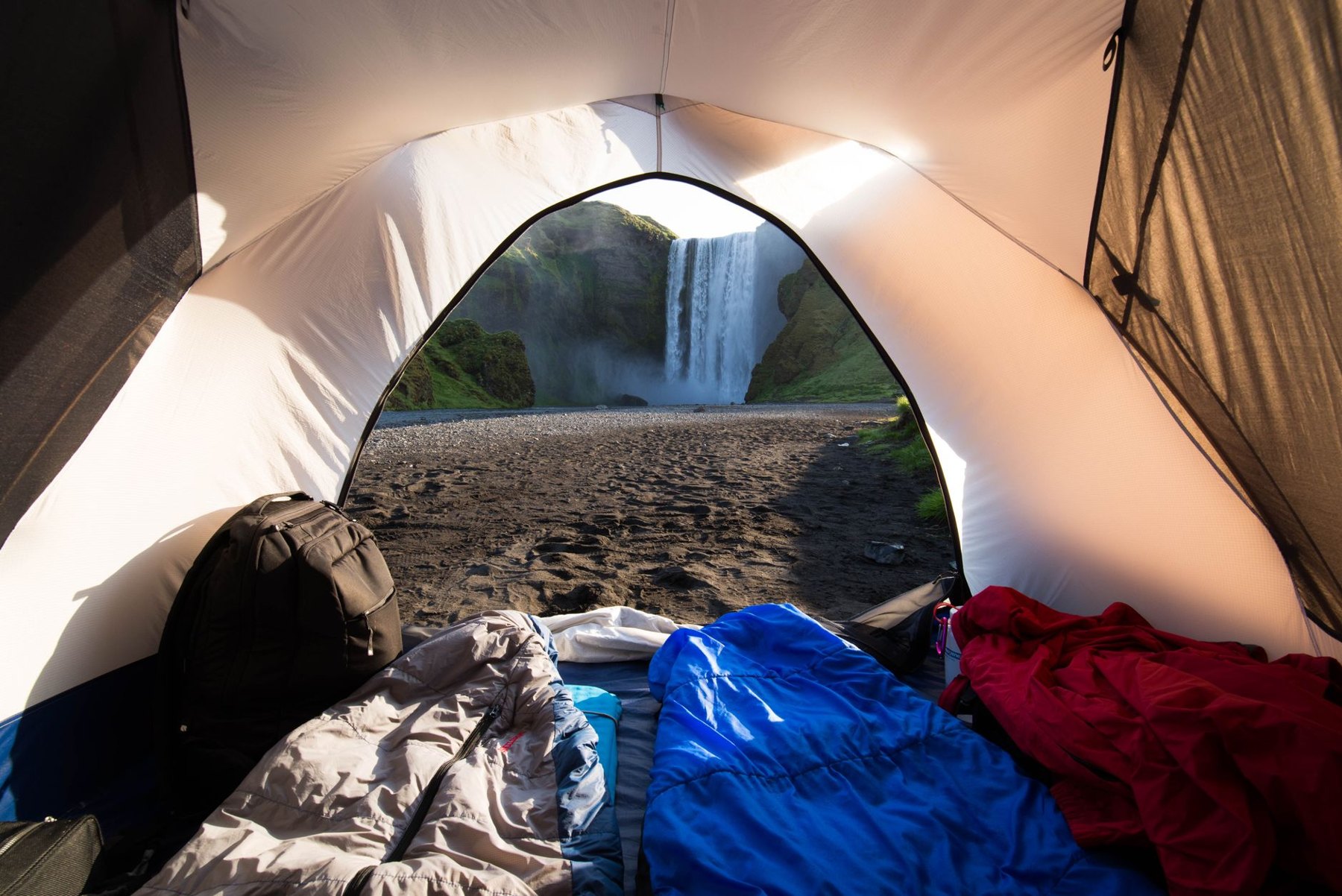
A sleeping bag that feels comfortable at bedtime can feel too light before dawn. Choosing one for summer camping starts with the coolest conditions you expect to sleep through, then adds room for your own sleep habits. Weight matters, but so do insulation beneath you, space to turn over, and a zipper you can open when the night stays warm.
Before comparing bags, write down three things: the likely overnight low at your campsite, whether you usually sleep cold or warm, and whether you will carry your gear or leave it beside the car. Those answers make a useful starting point for choosing warmth, fit, and packed size.
Start with the overnight low at the campsite
Plan around sleeping conditions, rather than the afternoon temperature. A hot trailhead does not tell you much about a higher campsite after sunset. Check a forecast relevant to your camping location close to departure, and consider how exposed the site is. A forecast for a nearby town may not represent your campsite well.
For example, imagine a trip with an expected overnight low of 50°F, or about 10°C. A bag advertised simply as a “50-degree bag” deserves a closer look. That number might describe comfort, a lower limit, or a manufacturer's own recommendation. Find out which before deciding it suits the trip.
Allow some flexibility for forecast uncertainty and your personal comfort. There is no single temperature margin that works for everyone. Someone who sleeps cold may want more insulation than a warm sleeper on the same trip. If the forecast turns substantially colder, reconsider the sleep system or the trip rather than assuming extra clothing will solve the gap.
Understand what the temperature rating describes
When a manufacturer provides standardized temperature ratings, the different labels answer different questions. Read the accompanying explanation, because a prominent number on a product page may not be the comfort rating.
- Comfort: Generally the more useful starting point for someone who sleeps cold or wants a less demanding estimate of comfortable sleeping conditions.
- Lower limit: Represents a different standardized sleeper and sleeping posture. It should not be treated as a promise that everyone will sleep comfortably at that temperature.
- Extreme: An emergency survival measure, not a temperature for planning a comfortable night's sleep.
These ratings come from controlled testing with specified assumptions. Your sleeping pad, clothing, shelter, fatigue, and individual response to cold can change the experience outside. Ratings help compare bags; they do not precisely predict your night.
If a bag lists only a seasonal label such as “summer” or “three-season,” look for a clearer explanation. Likewise, distinguish standardized test results from a brand's estimated temperature range. When two bags use different rating methods, their headline numbers may not support a direct comparison.
Include the sleeping pad in the decision
The insulation beneath your body becomes compressed, so the pad plays an important role in reducing heat loss to the ground. A warmer bag cannot always compensate for an inadequately insulated pad. Check the pad's insulation information alongside the bag's rating, especially for cool ground or trips near the edge of summer.
Also plan dry sleeping clothes and protection from rain. Think of the bag, pad, clothing, and shelter as one sleep system. Buying the lightest item in each category separately can leave a combination that does not meet your needs.
Choose insulation for the conditions and care involved
Down and synthetic insulation can both work for summer camping. The practical choice depends on how much you value compact packing, how reliably you can keep the bag dry, and how you expect to care for it.
Down: useful when packing space is tight
Down often offers good warmth for its weight and compresses well. That can help when an overnight kit must fit inside a modest backpack. However, down needs protection from moisture; wet insulation can lose loft and provide less warmth.
Fill power describes a property of the down, not the warmth of the complete bag. A higher fill-power number does not automatically mean a warmer sleeping bag. Fill quantity, construction, coverage, and fit also matter. Compare temperature ratings and finished bag specifications before using fill power to break a tie.
Synthetic: consider moisture management and bulk
Synthetic insulation generally retains more insulating ability when damp than untreated down, although performance varies by construction. It still needs weather protection and thorough drying. A damp bag of any type can make an uncomfortable night.
The tradeoff is often more weight or packed bulk for comparable warmth. For car camping, that may be a small concern. For backpacking, check whether the bag actually fits alongside your shelter, food, and clothing. Insulation type alone does not settle the decision.
Find a shape that matches how you sleep
A narrow bag saves little practical value if you spend the night fighting it. Consider shoulder room, hip room, and foot space, especially if you sleep on your side or bend one knee.
| Shape | Useful qualities | Tradeoff to check |
|---|---|---|
| Mummy | Tapered shape can reduce material and excess interior space. | May restrict knees, shoulders, or turning. |
| Semi-rectangular | Offers a compromise between a close fit and movement. | Can take more packing space than a similarly insulated narrow bag. |
| Rectangular | Provides room to move and often opens widely. | Extra fabric and interior space may add weight and bulk. |
Shape names are only a starting point. Two mummy bags can fit very differently. Check actual dimensions and whether measurements describe the interior or exterior. Shoulder width is also different from shoulder girth; compare like measurements.
Check length without choosing unnecessary extra space
Use the manufacturer's recommended sleeper height, rather than the bag's total exterior length. Your feet should have room without pressing firmly into the end and compressing insulation. At the same time, an unnecessarily long bag adds material and space you may not need.
If you can try a bag, lie inside on a pad with the zipper closed. Turn onto your side, bend your knees, and move your arms. Check whether the hood pulls awkwardly or the zipper feels strained. For online purchases, useful fit measurements and a clear return policy can matter more than a small weight advantage.
Look for ventilation you can adjust while lying down
Summer conditions can shift from a warm evening to a cool early morning. Adjustable ventilation lets you respond without repeatedly getting out of the bag.
- A long side zipper: Makes it easier to open the bag widely or drape it over you.
- A two-way zipper: May allow ventilation near your feet while keeping your upper body covered; check the actual zipper arrangement.
- An opening foot section: Can suit sleepers who like their feet uncovered, provided it closes securely when needed.
- Accessible hood adjustments: Help you change coverage as the temperature falls.
A short zipper can reduce weight, but limits how widely the bag opens. That may be a reasonable compromise for a dedicated backpacking setup. For mixed car camping and walking trips, broader ventilation may be more useful.
Try operating the zipper from inside. Check whether fabric catches easily and whether you can reach the pulls. A feature is most valuable when you can use it half asleep.
Compare packed size on the same basis
A low listed weight does not guarantee a small bundle. Look for packed dimensions or volume, and find out whether the figure describes the supplied stuff sack or a separately compressed package. Those measurements are not interchangeable.
For a fair comparison, use the same size variant and include the accessories you will carry. A regular bag's weight should not be compared with a long bag's packed dimensions. Note whether the listed weight includes the stuff sack.
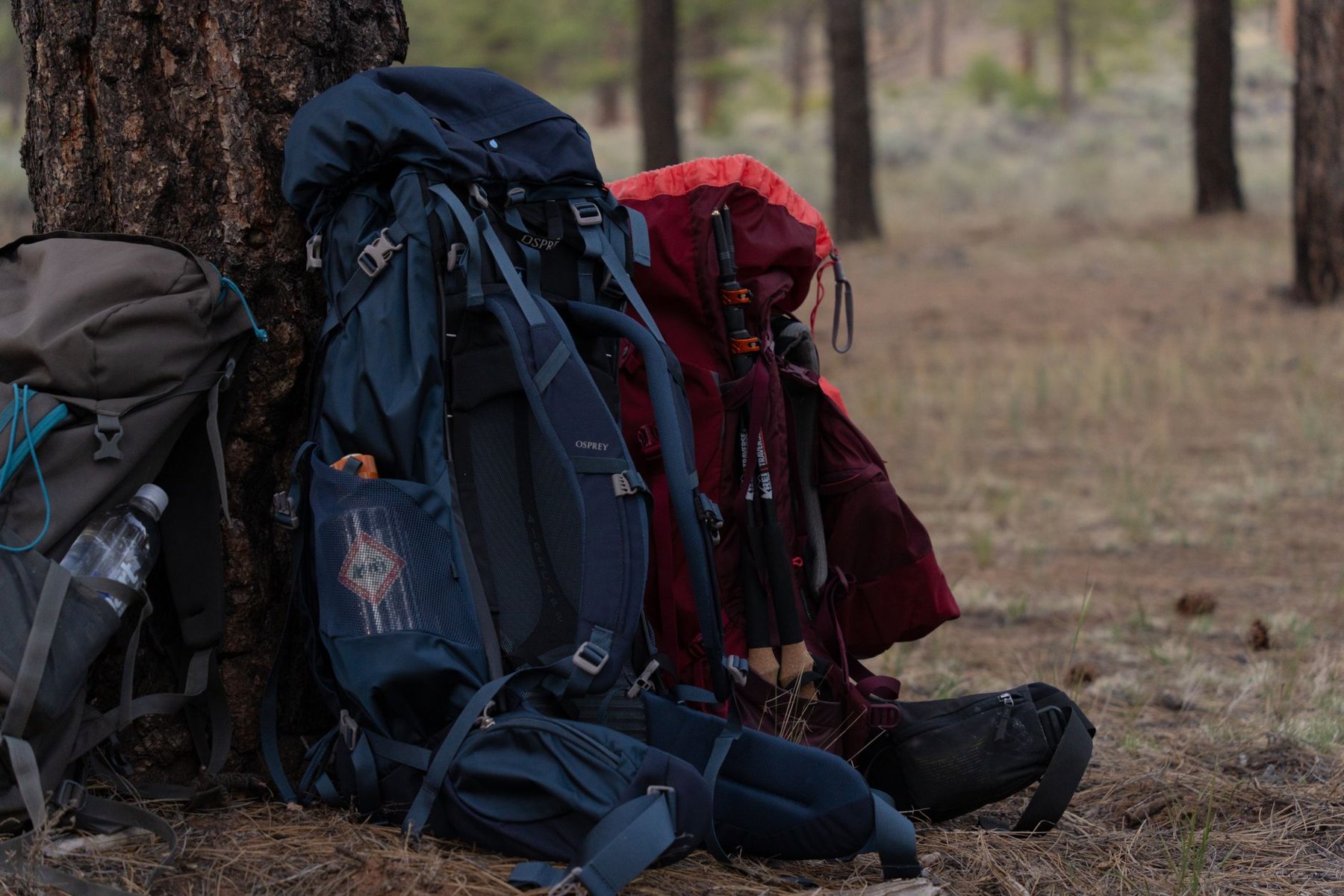
As an illustrative comparison, suppose two bags offer suitable warmth and fit. One is slightly lighter but occupies more backpack space; the other weighs a little more and packs smaller. If the first forces gear onto the outside of your pack, its weight advantage may be less useful than it appears.
Protect either bag from water inside your pack. After the trip, dry it thoroughly and follow its care instructions for loose storage rather than leaving it tightly compressed.
Use a short checklist before buying
- Define the trip: Record the campsite, expected overnight low, and how far you will carry the bag.
- Read the rating: Identify comfort and lower-limit figures, plus the testing method when supplied.
- Check the full system: Include pad insulation, dry clothing, and shelter.
- Confirm fit: Compare the correct length and body dimensions, with room for your sleeping position.
- Assess ventilation: Choose openings you can adjust easily through a changing night.
- Compare carrying costs: Weigh packed volume, total weight, and moisture protection together.
For a warm-weather car camper who moves a lot, a roomy bag with a long zipper may earn its space. For a backpacker with limited pack capacity, a closer-fitting, more compressible bag may make better sense. Choose enough warmth first, then find the fit and packing compromise you will be comfortable using.