A water bottle pocket can look generous on an empty daypack and become awkward once you pack a rain jacket, lunch, and an extra layer. Your bottle may fit but sit beyond your reach. A stretchy pocket may allow easy access yet let the bottle slide out when you bend forward. The useful question is not simply whether a pack has bottle pockets, but whether those pockets work with your bottles, your body, and your usual hiking load.
Start with the bottles you already own. Bring them when shopping, along with a realistic selection of day-hike gear if the store allows it. A few checks with a loaded pack will tell you more than comparing pocket dimensions alone.
Match the pocket to the whole bottle
Bottle capacity does not tell you its shape. Two bottles holding the same amount of water may differ in width, height, taper, and lid design. A tall, narrow bottle can protrude far above a pocket; a shorter, wider one may stretch the opening before reaching the bottom.
Check these features together:
- Diameter: The bottle should slide into place without requiring excessive force or stretching the fabric to its limit.
- Height: Look at how much bottle remains above the pocket and whether it sways when you walk.
- Shape: A tapered base may enter easily, while broad shoulders can catch at the opening.
- Lid: Handles, loops, and flip tops should clear compression straps and your elbow.
- Surface: A smooth bottle may behave differently in the pocket from one with a textured sleeve.
Test each bottle you regularly carry. If you alternate between a slim reusable bottle and a wide insulated one, do not assume a successful fit with the first guarantees compatibility with the second.
Separate accessibility from retention
Accessibility means you can remove and replace the bottle comfortably. Retention means it stays put while you move. A good pocket needs both, but designs often favor one over the other.
For access, test removal and replacement
Put the loaded daypack on and adjust it before reaching for a bottle. Try both sides. Notice whether you can grasp the bottle securely without sharply twisting your shoulder, lifting the pack, or pulling against the shoulder strap.
Then return the bottle to its pocket. This is often the harder part. An opening that collapses when empty may require a second hand to hold it open. A pocket positioned far behind your torso may be easy to reach at its top but difficult to locate at its entrance.
Forward-angled openings can make access easier for some hikers, while upright pockets may suit others. Your arm mobility, torso length, and bottle shape all affect the result. If reaching behind you feels strained, choose a setup that works comfortably when you stop and remove the pack.
For retention, move beyond standing still
With the bottle seated fully, walk, turn, lean forward, and make a controlled step up. In a store, ask before using steps or trying more active movements. Keep a hand nearby to catch the bottle.
Watch for the bottle climbing out, tipping away from the pack, or bouncing against your arm. A deep pocket can help support a tall bottle, but depth alone is not enough if the opening is loose. A snug opening may hold securely yet make replacement frustrating.
Judge the pocket with the pack loaded. Gear inside the main compartment can push against the pocket and reduce its usable space.
Understand pocket materials and straps
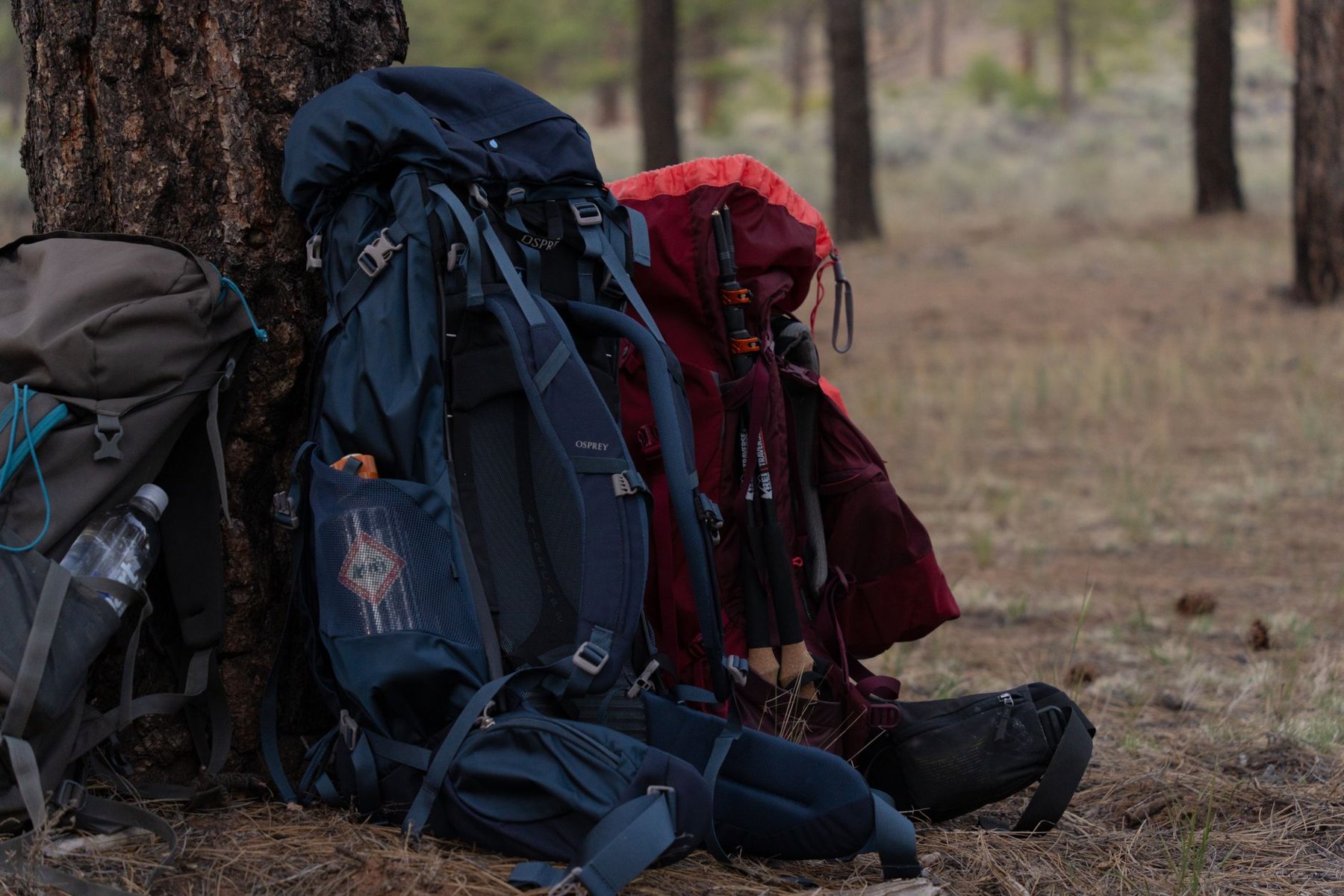
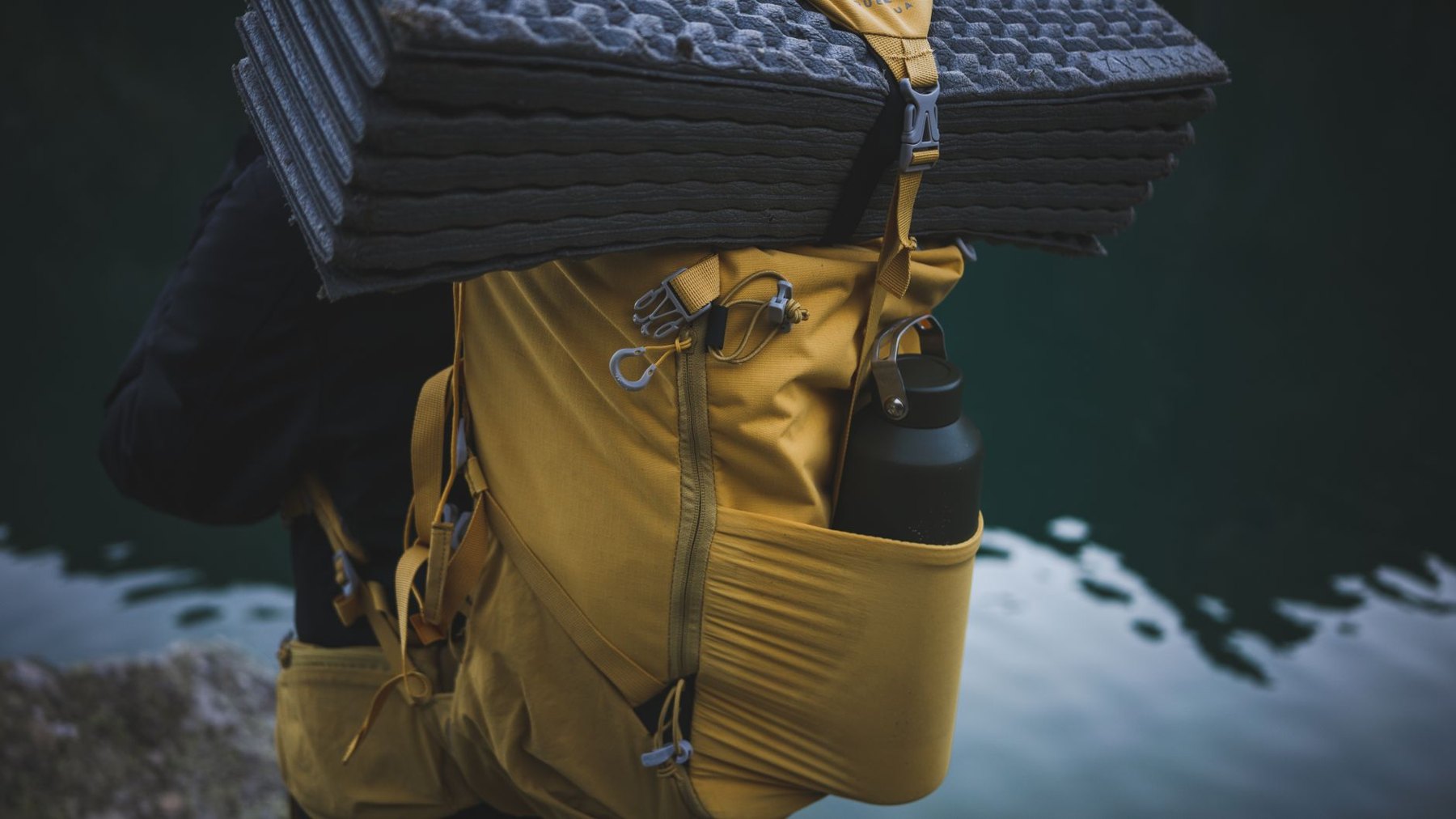
Stretch mesh can accommodate different bottle shapes and lets you see whether a bottle is seated. Check how much tension remains around your smallest bottle and whether your largest bottle overextends the opening. Examine exposed mesh if you expect to brush against rough surfaces.
Fabric pockets with elastic openings may offer a more enclosed feel. Their suitability depends on the cut, depth, and elastic tension. Look inside for seams or folds that catch the bottle base during replacement.
Compression straps deserve their own test. Depending on their routing, they may steady a bottle, cross its removal path, or squeeze the pocket when tightened around the pack.
- Load the main compartment and adjust compression as you would for hiking.
- Insert and remove the bottle without changing the strap setting.
- Check whether buckles or loose webbing catch the lid.
- If a strap is intended to secure a bottle, test how easily you can release and refasten it.
A retention strap can be useful, but it adds a step every time you drink. Decide whether that tradeoff suits your terrain and habits.
Choose capacity around your actual day-hike kit
Begin with what you need to carry rather than a particular liter rating. Lay out your water, food, weather layers, navigation supplies, first-aid items, and other essentials appropriate to the outing. Add shared equipment if you usually carry it for someone else.
A compact daypack may be enough for a short outing with minimal layers. Longer days, bulky clothing, or family responsibilities can call for more room. Published capacity is a starting point: compartment shape and pocket layout influence how useful that space feels.
Avoid choosing a pack that only accepts your kit when stuffed tightly. Besides making access difficult, an overfilled main compartment can crowd the bottle pockets. Conversely, a much larger pack may need careful compression to keep a small load from shifting.
Pack your usual items, close the bag normally, and then test the bottles. If you must rearrange everything each time a bottle goes back in, the combination is inconvenient even though it technically fits.
Check pack fit before blaming the pockets
A pocket can seem badly positioned when the pack itself sits incorrectly. Adjust the shoulder straps and any torso-length setting according to the pack's instructions. If there is a hipbelt, check its placement and function with the load you expect to carry. Adjust the sternum strap so it supports a comfortable fit without restricting you.
Repeat the reach test after adjustment. Notice whether the pack shifts upward when you pull out a bottle or rotates when you reach to one side. Tightening every strap is not always the answer; the pack's shape or size may simply be a poor match.
Walk long enough to notice contact points. A bottle that clears your arm while standing may rub your elbow once you swing your arms. Check whether a rigid bottle presses through the side of the pack against your back.
Keep water weight balanced
Water carried in one side pocket can make a lightly loaded pack feel uneven. Two bottles on opposite sides provide more ways to distribute that load, though the balance changes as you drink.
If you carry two similar bottles, alternate between them when convenient. If you carry one bottle, arrange other gear to reduce a noticeable sideways pull. Keep dense items secure so they do not shift and change the balance while you walk.
Try the pack with your normal water load and again with less water. An empty bottle is useful for checking dimensions, but it does not reveal how a pocket behaves under weight. Ask the store whether filled bottles are permitted and make sure the lids are secure.
Evaluate ventilation with bottles in place
Back-panel designs range from padded channels to suspended mesh that creates space behind the pack. Compare them while wearing the loaded bag. Check comfort, stability, and how easily you can reach the side pockets.
A pack that holds its main compartment farther from your back may also place its bottles farther away from your hands. A closer-fitting design may make the load feel more compact, while providing a different amount of space for airflow. The complete fit matters more than the appearance of the back panel.
No ventilation feature guarantees a dry back. Treat ventilation as one part of comfort alongside fit, clothing, weather, pace, and load.
Run a simple in-store comparison
Use the same bottles and a similar load for each candidate. This keeps the comparison useful and helps you notice differences that an empty-pack fitting can hide.
- Load and adjust: Pack representative gear and settle the straps comfortably.
- Seat both bottles: Check that each reaches the pocket bottom without excessive force.
- Reach and replace: Repeat on both sides, including your less comfortable side.
- Move carefully: Walk, turn, lean, and step up where permitted.
- Change the load: Add a bulky layer or tighten compression to see whether access changes.
- Choose your routine: Decide whether you will drink while wearing the pack or pause and take it off.
For example, a wide bottle might sit securely in a deep pocket but require removing the pack for every drink. That may suit a hiker who prefers regular breaks. Someone who wants frequent sips without stopping may prefer a more accessible pocket, provided it still retains the bottle during movement.
Choose the daypack whose compromises fit your routine. Your bottles should go in predictably, stay secure through ordinary movement, and come out without strain. When two packs feel equally comfortable, repeat the replacement test with your usual gear inside; that small everyday action can make the choice much clearer.